Conclusion
The promise of AI-assisted software development is not that prompts replace engineering. The promise is that implementation effort can fall enough for teams to spend more attention on intent.

Research spine: this chapter stays grounded in NIST AI Risk Management Framework and NIST Secure Software Development Framework, then applies that evidence to the operating judgment in the book. The promise of AI-assisted software development is not that prompts replace engineering. The promise is that implementation effort can fall enough for teams to spend more attention on intent. That promise is only realized if teams move discipline upstream.
A prompt is not a spec. A generated diff is not acceptance. A passing test suite is not proof if the tests encode vague intent. The maintained software system needs artifacts that define behavior, boundaries, examples, constraints, and acceptance. SPEC-Lock is one way to build those artifacts without turning product development into bureaucracy.
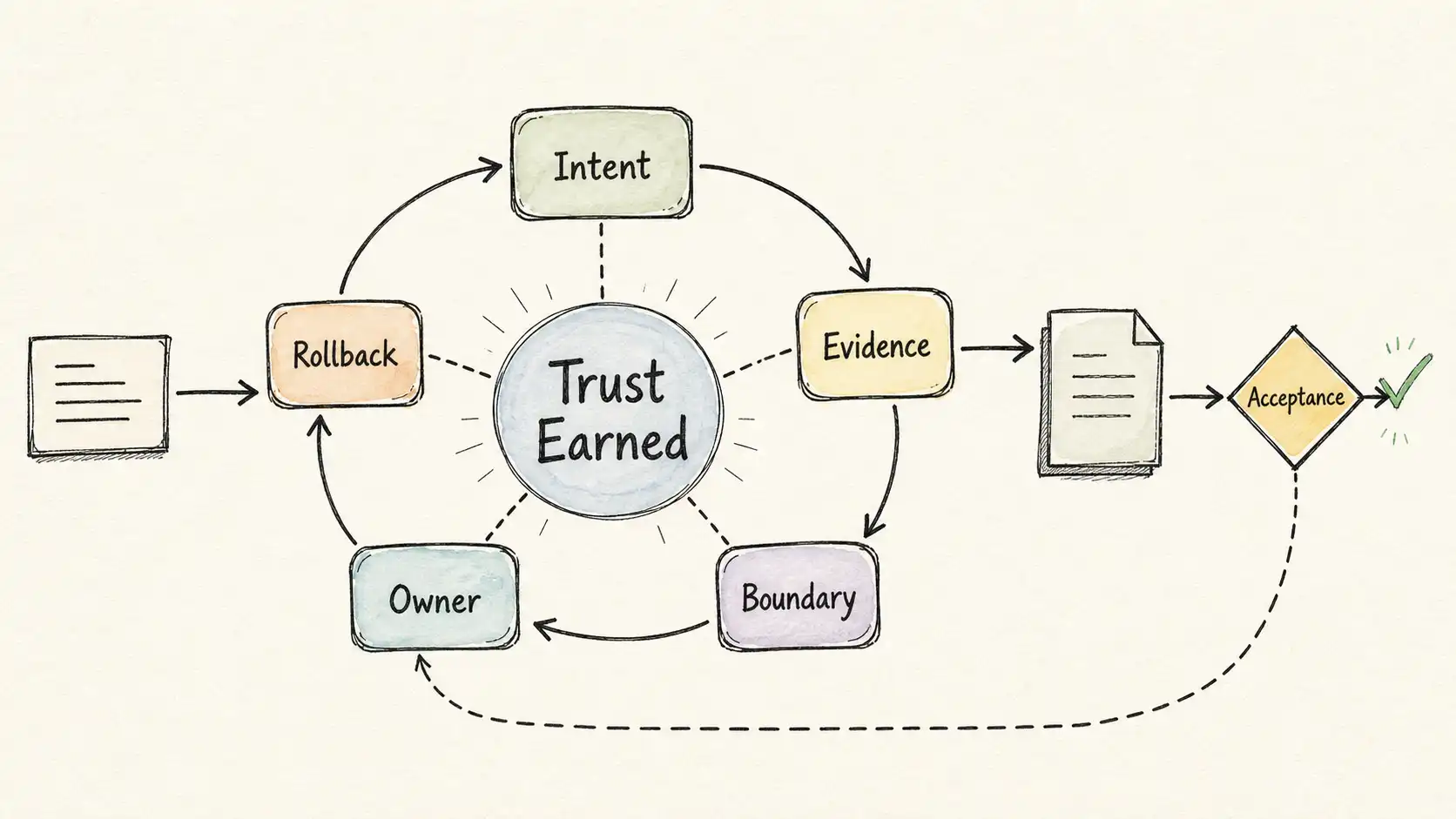
The practical final rule is: ask the model to write code only after the team can say what correct means.
Key Takeaways
- Conclusion names the operating decision a team has to make before it accepts the work.
- The practical test is whether a team can name the evidence, owner, and failure mode before it changes behavior.
- Read this with The Spec Is the Program and the adjacent chapters when you need the wider AI SDLC and Specs frame.
Operational note
This short chapter is a map, not a full argument. Its job is to keep Conclusion usable inside Spec Is The Program: define the terms, point to the sources, and make the next decision easier to replay.
Use it as a checkpoint before you treat the surrounding chapters as advice. A reader should be able to name the claim, the evidence, the risk boundary, and the follow-up page without interviewing the original author. If that replay fails, the chapter has not done its job yet.